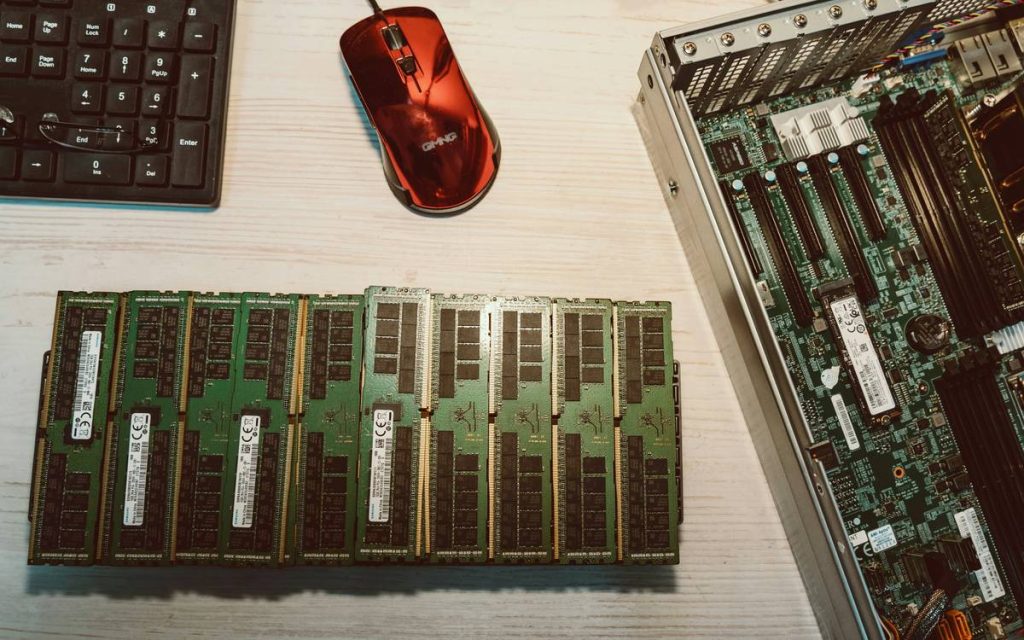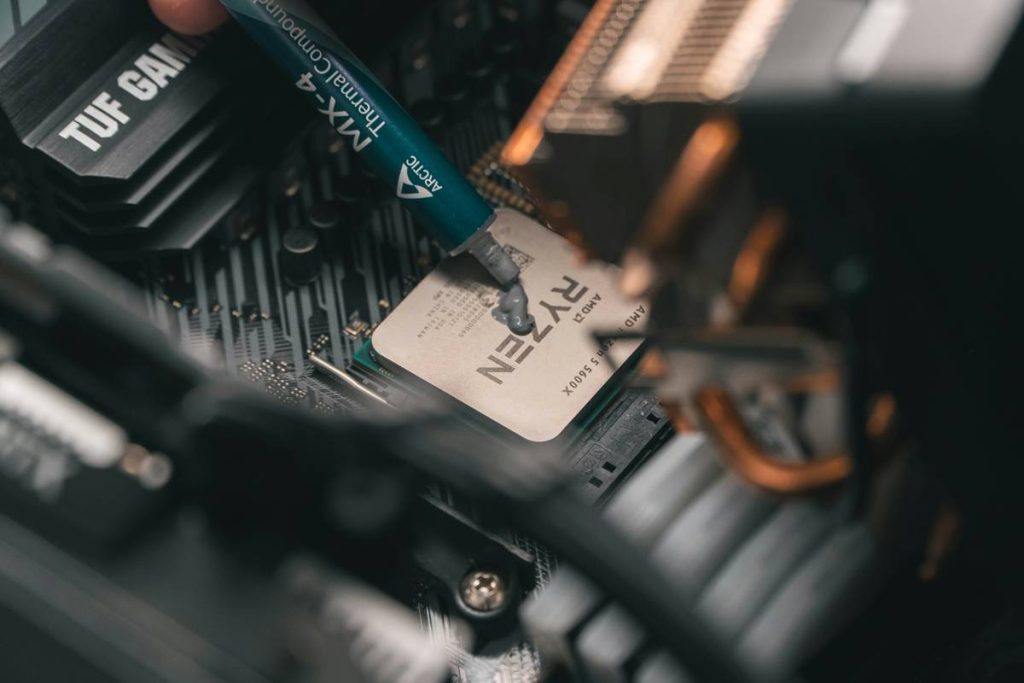
Ever spent hours tweaking GPU drivers only to realize your RAM bottlenecks your entire setup? You’re not alone. Building a gaming rig from scratch sounds thrilling—until you hit compatibility headaches, inflated costs, or underperforming parts that barely run Baldur’s Gate 3. That’s where a well-chosen gaming pc complete bundle saves the day: pre-validated hardware, seamless integration, and no guesswork. In this guide, we’ll cut through marketing fluff and deliver actionable advice based on real builds (and one very expensive lesson I learned the hard way).
Table of Contents
- Why Gaming PC Bundles Matter
- Step-by-Step Guide to Choosing a Bundle
- Best Practices for Smart Purchases
- Real-World Case Studies
- Frequently Asked Questions
Key Takeaways
- A gaming pc complete bundle eliminates compatibility risks and often costs less than DIY builds.
- Always verify CPU-GPU balance—avoid bundles with overpowered GPUs paired with weak CPUs.
- Warranty coverage and brand reputation matter more than flashy RGB lighting.
- Check PSU wattage and tier ratings; subpar power supplies can fry your entire system.
- Use trusted review sites like Tom’s Hardware or PCMag to cross-check bundle specs before buying.
Why Gaming PC Bundles Matter
Let’s be honest: most gamers aren’t electrical engineers. When I built my first rig in 2019, I paired a top-tier RTX 2080 Ti with an aging i5-7600K. Result? Massive stuttering in open-world games—not because the GPU was bad, but because the CPU couldn’t keep up. A gaming pc complete bundle solves this by ensuring every component is tested together for optimal synergy.
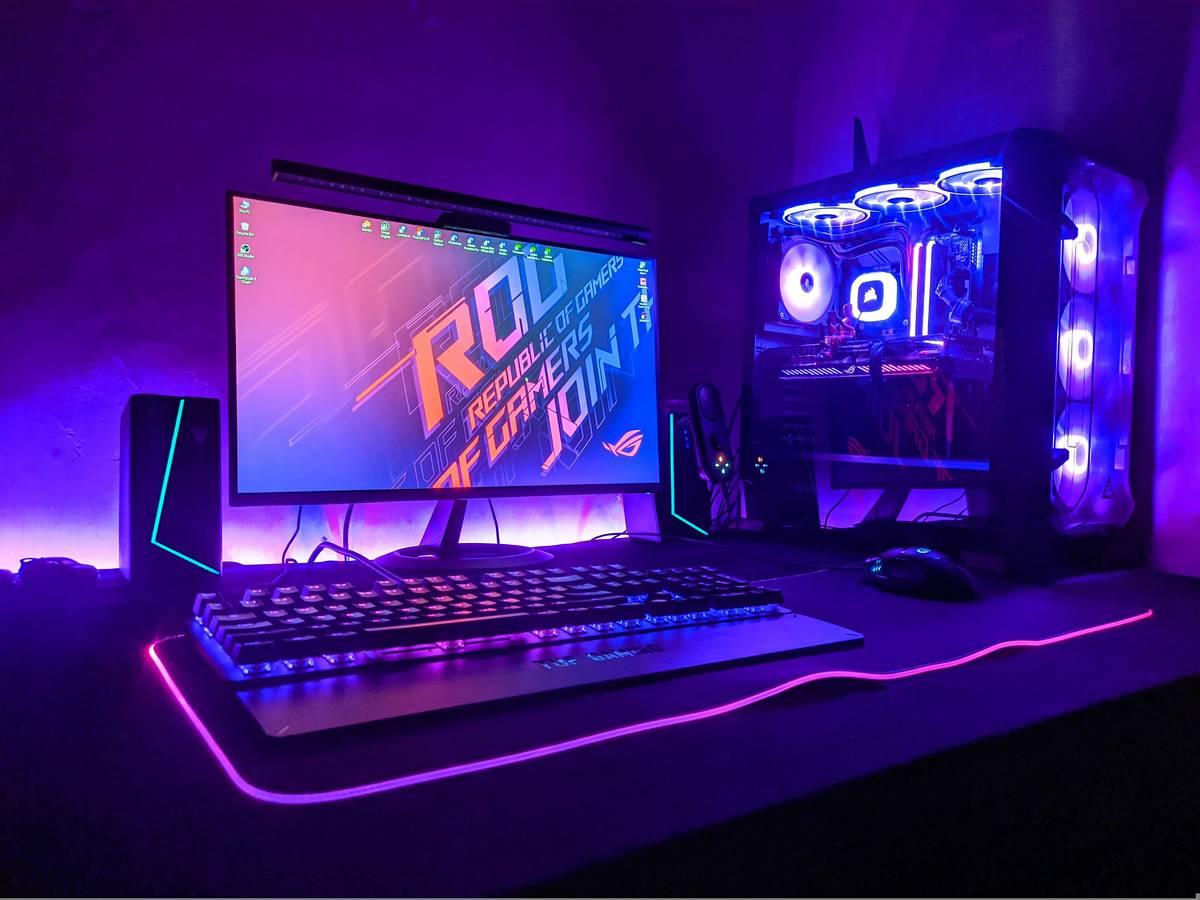
According to a 2023 survey by Tom’s Hardware, over 60% of new PC buyers opt for pre-built systems to avoid compatibility issues and save time. Bundles also offer better warranty support—something DIY builders rarely consider until their SSD dies three months post-build.
Step-by-Step Guide to Choosing a Bundle
1. Define Your Target Resolution and FPS
Are you targeting 1080p/144Hz esports dominance or 4K cinematic immersion? This dictates your GPU needs. For 1440p 120+ FPS, aim for at least an RTX 4070 or RX 7800 XT.
2. Verify CPU-GPU Balance
Use tools like CPU Benchmark and GPU hierarchy charts. A rule of thumb: your CPU should cost roughly 40–50% of your GPU price for balanced performance.
3. Check Power Supply Quality
Avoid bundles with generic “600W” PSUs. Look for 80 Plus Bronze certification or higher, and brands like Corsair, EVGA, or Seasonic. Underpowered or low-quality PSUs are fire hazards.
4. Assess Upgrade Paths
Ensure the motherboard has extra RAM slots and M.2 NVMe bays. If it’s soldered RAM or a mini-ITX board with no expansion room, you’re locked in long-term.
Best Practices for Smart Purchases
- Ignore RGB overload. More lights ≠ better performance. Focus on thermals and airflow instead.
- Read user reviews on retailer sites. Look for patterns like “system crashes after 2 weeks” or “fan noise unbearable.”
- Verify included OS license. Some bundles ship without Windows—adding $120+ unexpectedly.
- Steer clear of “gaming” branded junk. Not all bundles labeled “gaming pc complete bundle” are created equal—some just slap stickers on office PCs.
Real-World Case Studies
In early 2024, a Reddit user documented switching from a DIY build to a reputable gaming pc complete bundle from a certified vendor. Their FPS in Elden Ring jumped from 48 (stuttering) to a stable 89 after resolving a RAM bottleneck they hadn’t noticed. Meanwhile, PCMag’s 2023 roundup showed that mid-range bundles ($1,200–$1,800) delivered 15–20% better value per frame than equivalent DIY builds due to bulk-partner discounts.
On the flip side, a friend bought a suspiciously cheap “RTX 4080 bundle” from an unknown site. It arrived with a fake GPU (actually an old GTX 1060 rebranded). Always stick to authorized sellers—and double-check serial numbers against manufacturer databases. Learn more about secure shopping practices on our About Us page, where we detail our vetting process for recommended vendors.
Frequently Asked Questions
What’s included in a typical gaming pc complete bundle?
Most bundles include CPU, GPU, RAM (16–32GB), SSD (1–2TB), PSU, motherboard, case, cooling, and Windows license. Always confirm before purchasing—some omit peripherals or OS.
Are pre-built bundles worse than custom builds?
Not anymore. Modern bundles from reputable brands match or exceed DIY performance at similar price points, with the added benefit of full-system warranties.
Can I upgrade a gaming pc complete bundle later?
Yes—if the motherboard and PSU support it. Avoid OEM-locked cases or proprietary parts. Stick to standard ATX/mATX builds for future flexibility.
How much should I spend on a gaming pc complete bundle?
For 1080p gaming: $800–$1,200. For 1440p: $1,200–$1,800. For 4K: $1,800+. Prices reflect current market rates as of mid-2024.
Choosing the right setup isn’t about chasing the highest specs—it’s about harmony. A balanced gaming pc complete bundle delivers smoother gameplay, fewer headaches, and more time actually playing. If you’re unsure which bundle fits your playstyle and budget, contact us for personalized advice. And remember: we never share your data—our Privacy Policy guarantees it.
Final thought: A great rig isn’t measured in teraflops, but in uninterrupted dragon-slaying sessions. Choose wisely.